Read the whole codebase, not just the diff.
Every pull request is analyzed in the context of your entire codebase — not in isolation.
Goosy reads every pull request and your whole codebase, proves which findings
are real, and writes the fix — for your team and for the agents on it.
Works where your code already lives
HOW IT WORKS
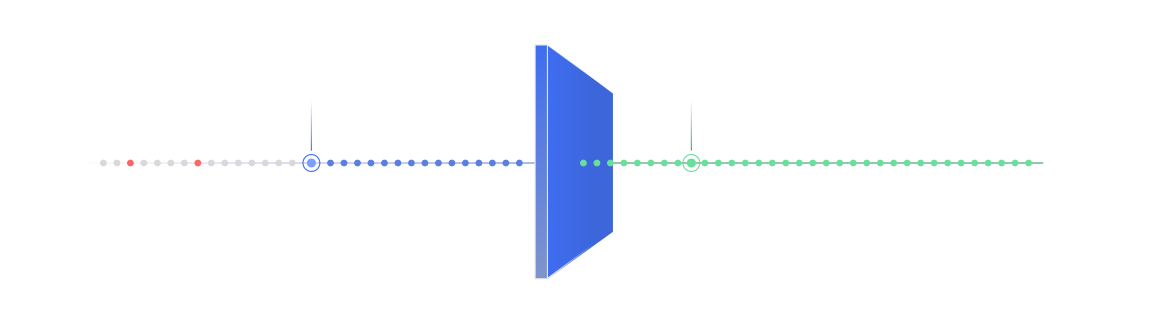
Four steps, one engine. Each run only when the last earns it, so what reaches you is
short, real, and already fixed.
Every pull request is analyzed in the context of your entire codebase — not in isolation.
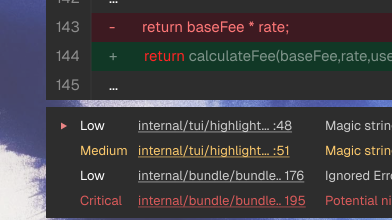
Broad checks narrow the field first, so the deep work runs where it actually matters.
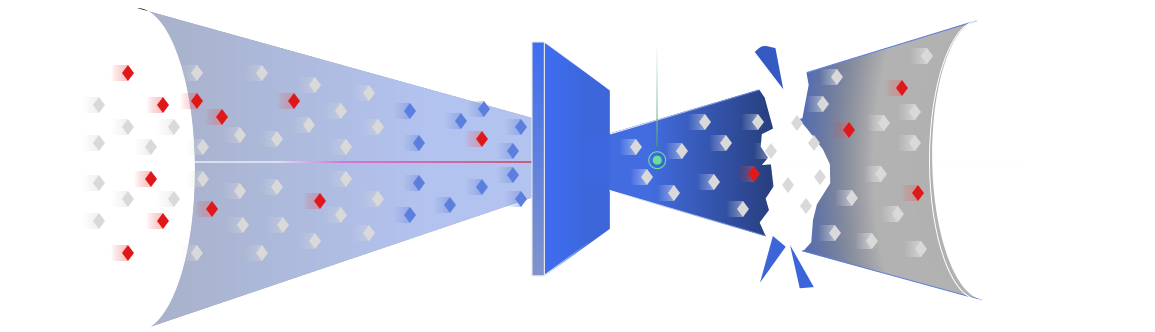
Every finding is independently re-checked. Weak signals are filtered before they become alerts.
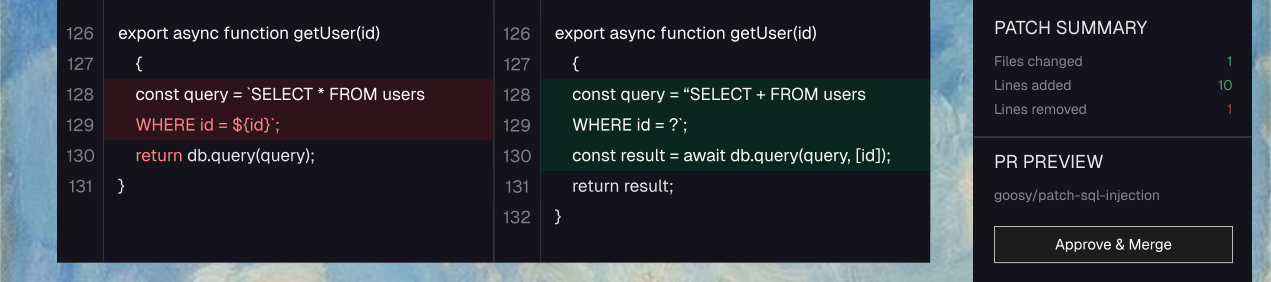
Confirmed issues arrive as a reviewable patch. You approve, Goosy merges. Your main branch stays yours.
Unkey deploys multiple replicas in different zones so your app survives surges during outages.
Take immediate control over your secrets with the ability to instantly revoke access, providing swift response to potential threats.
■ SURFACES
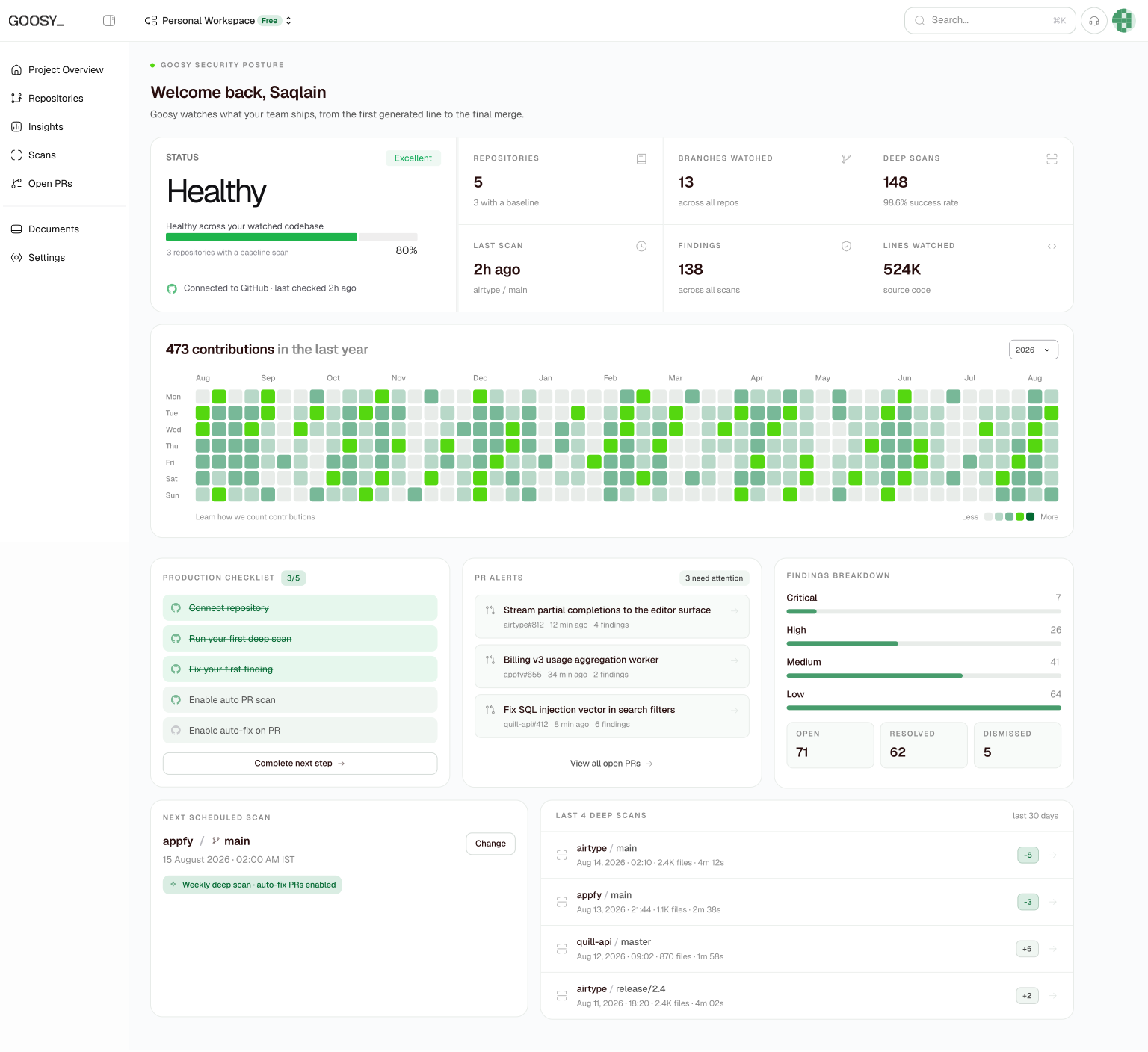
The same engine on the pull request, in your terminal, inside your coding agent, and in one view your whole team shares. Same findings, same proof, wherever you need it.
Goosy reads the change against your whole repository and comments on the exact line, with a fix you can commit without leaving GitHub.
installgithub.com/apps/goosy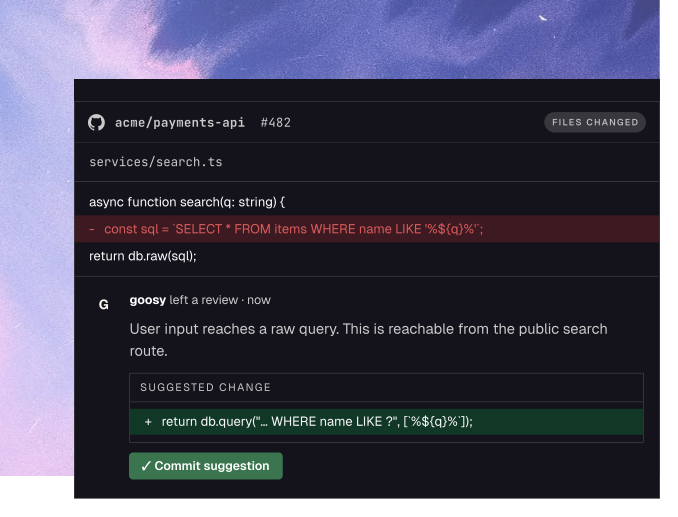
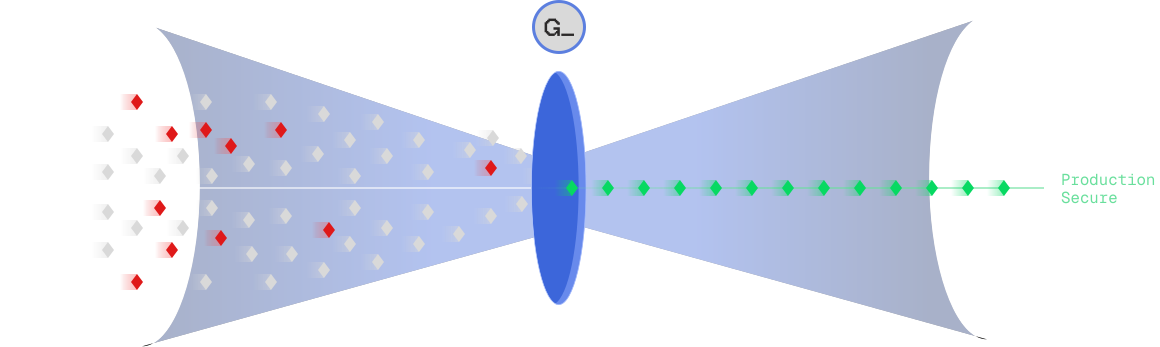
Plan, code, test, review, merge, deploy. All of it funnels
through one narrow gate: review.

WHAT WE CATCH
Grouped the way failures actually happen. Every check reads your whole repository for
context, and every finding is confirmed twice before it reaches you.
Anything a caller controls, from a query param to an uploaded file,
followed all the way to the place it finally gets used.
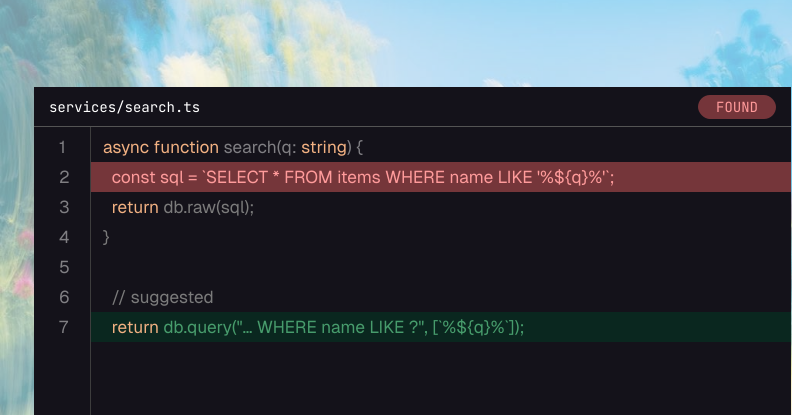
SQL injection gets a dedicated pass of its own. Every candidate is re-examined against a strict checklist before it is allowed to reach you.
The bugs that pass every test, because the code works perfectly for
a user who should never have been allowed in.
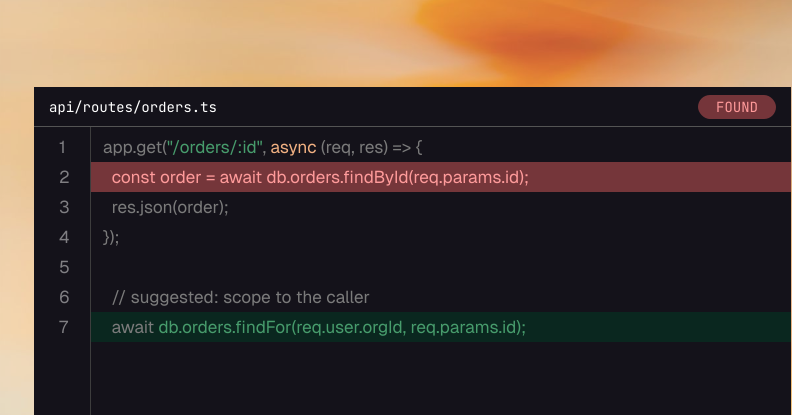
Ownership checks are judged against how the rest of your codebase already does it, not against a generic pattern.
Keys committed to source, passwords hashed with something
broken a decade ago, randomness anyone can predict.
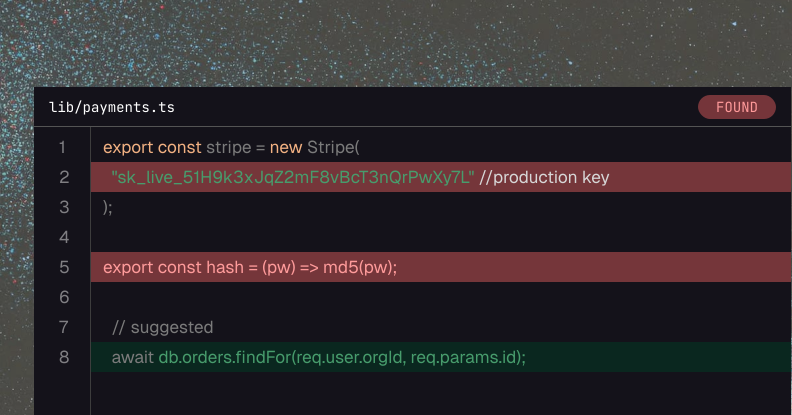
Ownership checks are judged against how the rest of your codebase already does it, not against a generic pattern.
Individually minor. Together, the difference between an incident
and a breach.
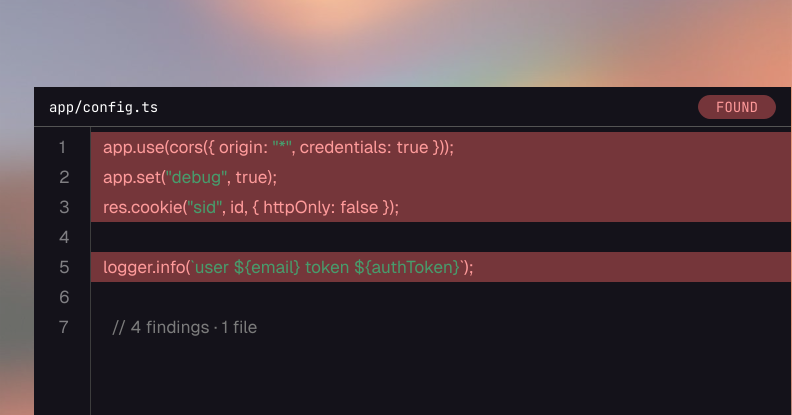
Reported with the severity they actually carry in context, rather than a fixed score per rule.
Races, leaks and memory faults. The failures that survive code
review, because reading the code line by line cannot reveal them.
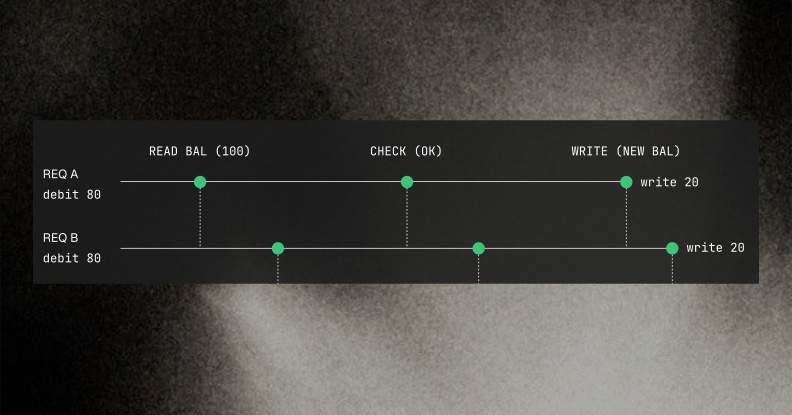
Reported with the severity they actually carry in context, rather than a fixed score per rule.
Races, leaks and memory faults. The failures that survive code
review, because reading the code line by line cannot reveal them.
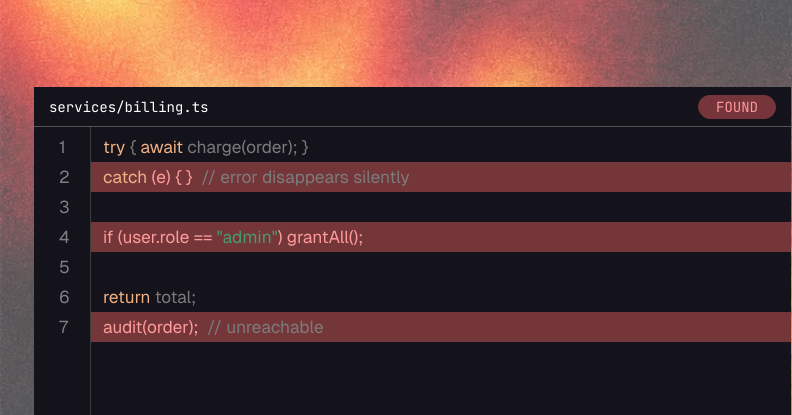
Kept separate from security findings, so a style issue can never crowd out something that matters.